
TRIVISONNO
Location
Vicksburg, MI
Original Construction
1904
Construction Cost
$60,000,000
Size
420,000 sqft
Completion Date
Ongoing
National Register of Historic Places
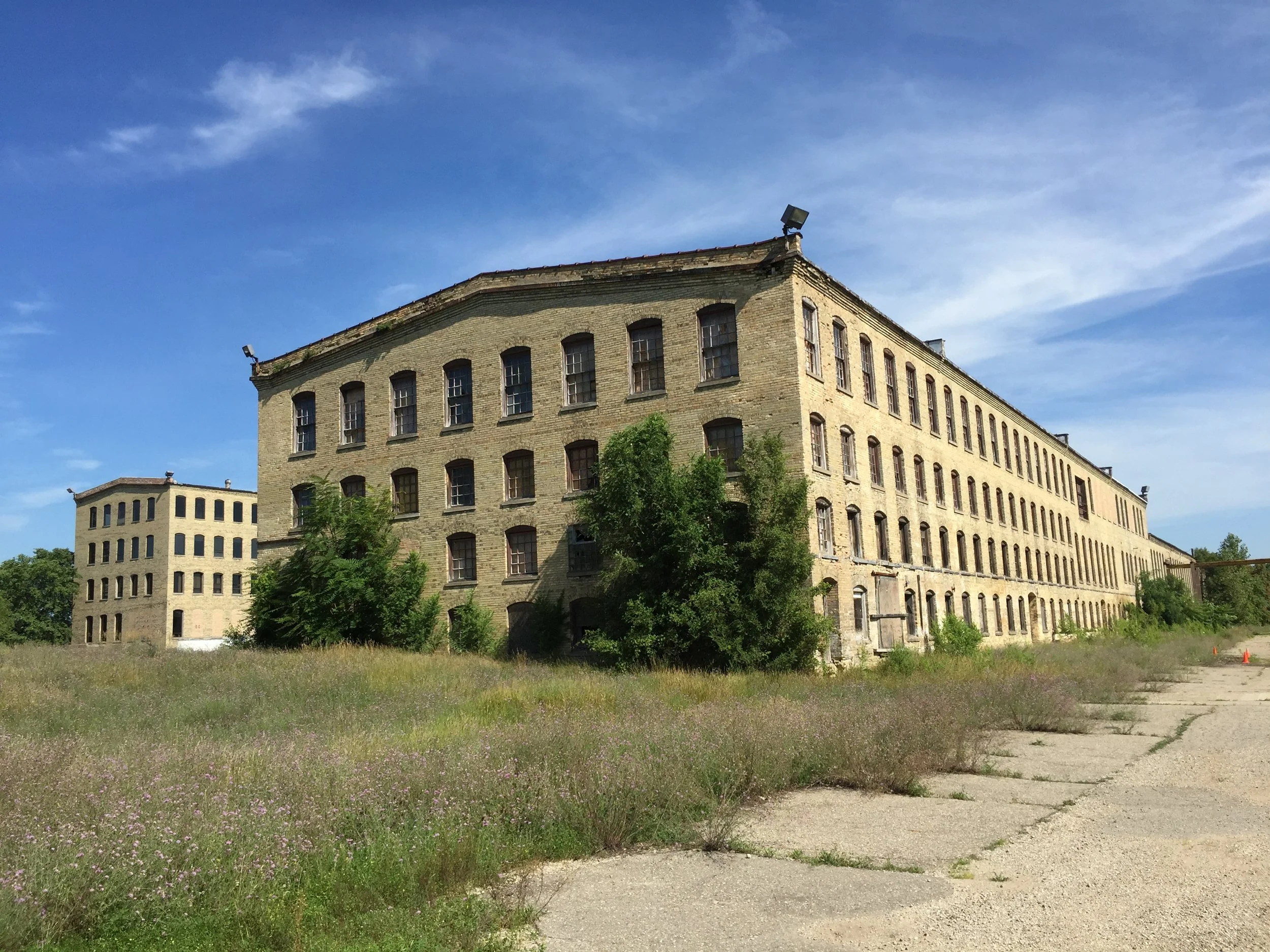
Saved from the wrecking ball in 2014 by Chris Moore, a Vicksburg native and Seattle based entrepreneur, this sprawling, abandoned industrial facility now has a bright future as a vibrant mixed use complex. Moore appreciated the raw industrial character of the abandoned complex and had a vision for what it could become. HopkinsBurns is honored to have been selected to take the helm on this special project with a terrific team of consultants.
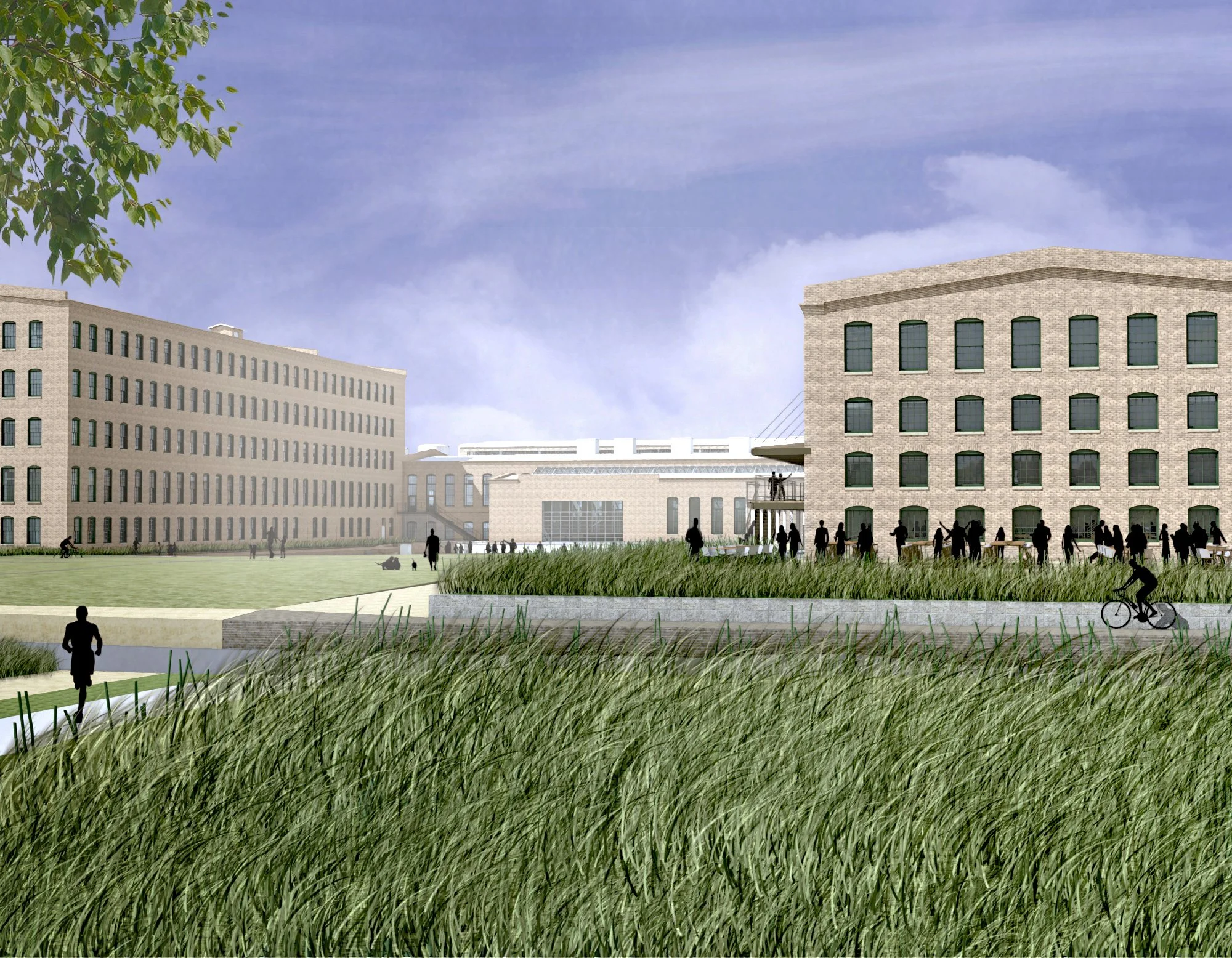
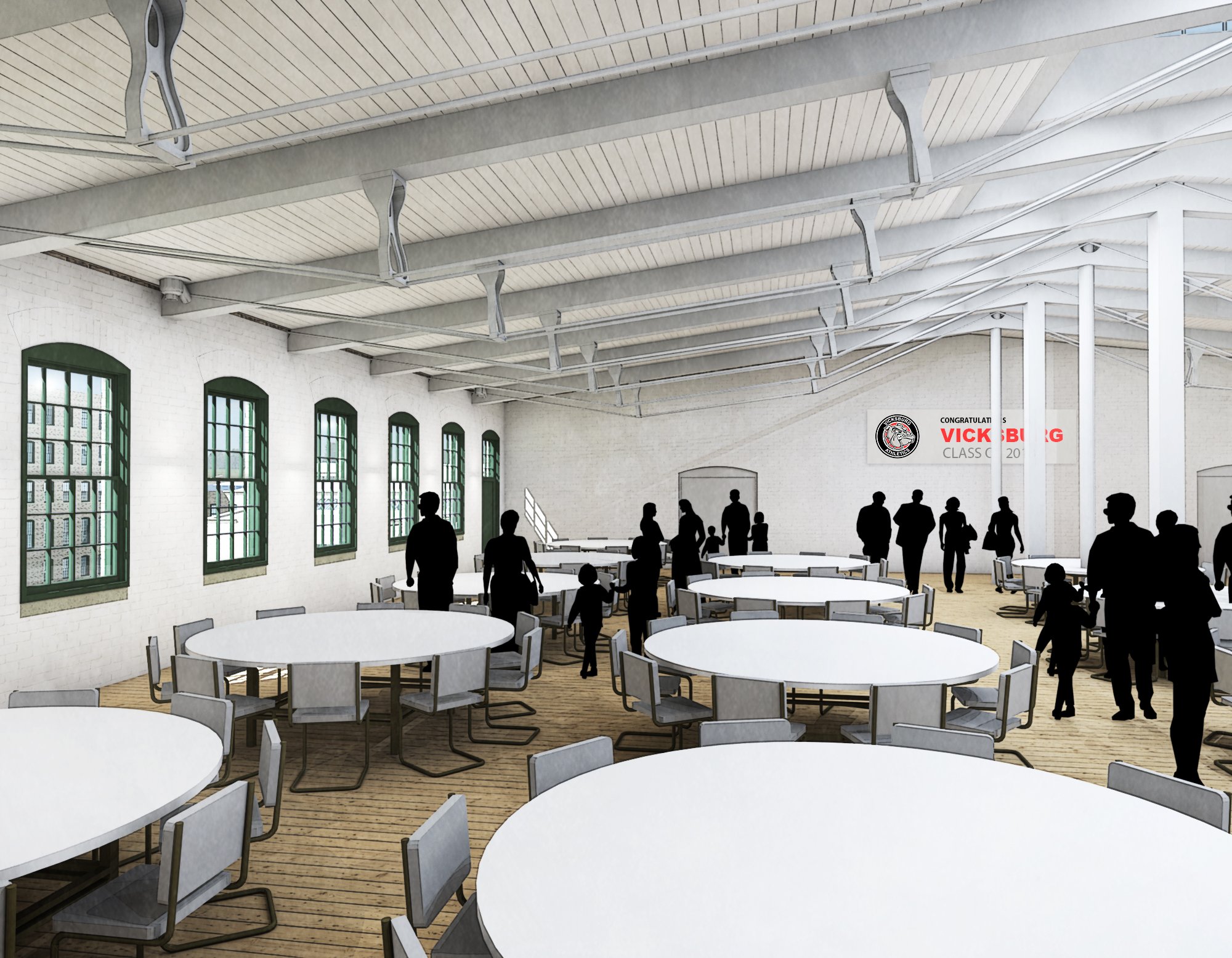
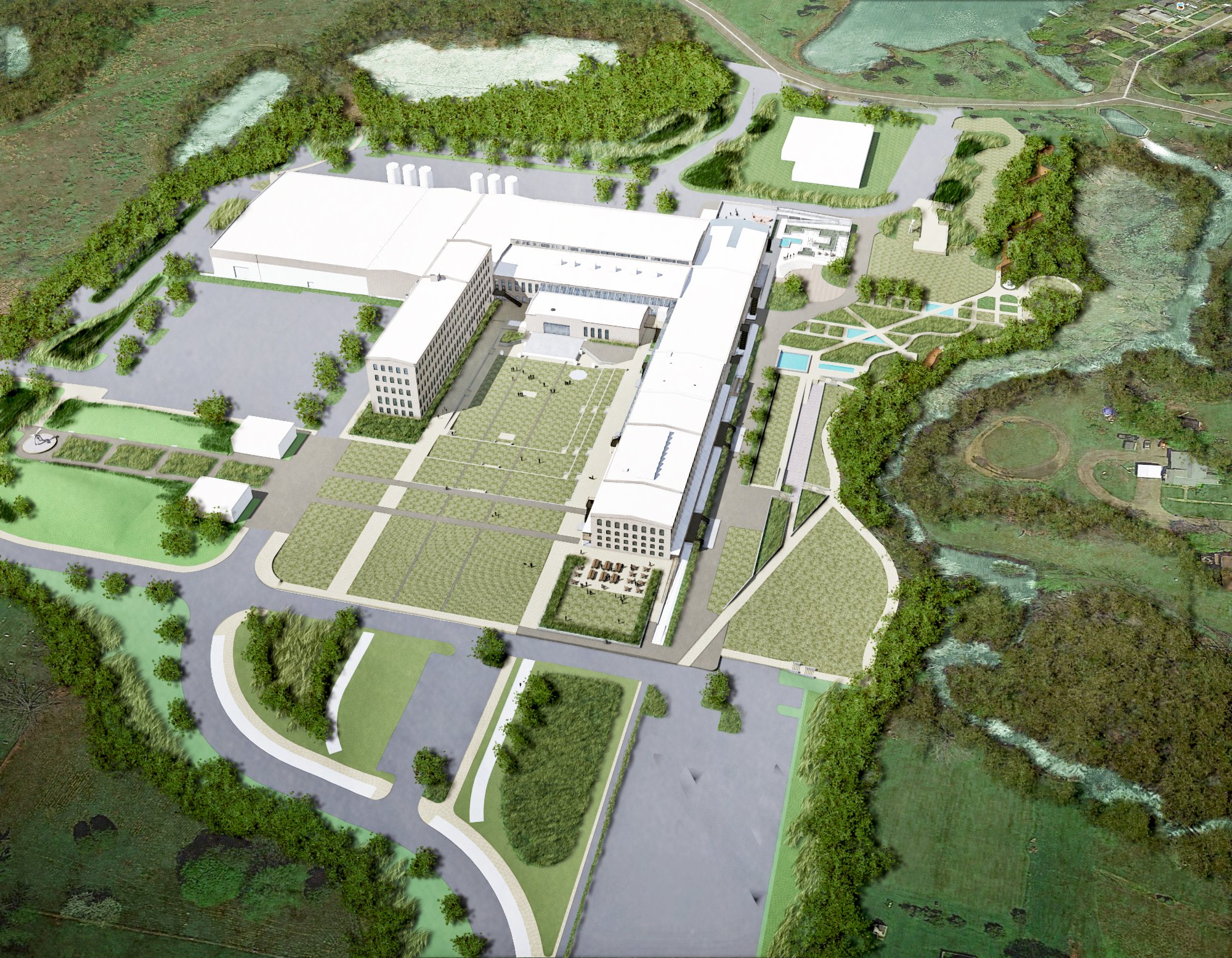
This unique mixed use development will include both indoor and outdoor event spaces and music venues of all sizes; brew pubs and beer gardens; collective brewing and distilling facilities (where beverage entrepreneurs can nurture their visions while sharing facilities, equipment and other resources); a residential wing with both apartments and hotel rooms; office facilities and specialty museums. An important facet of this development is the environmental restoration of the land and Portage Creek, which were decimated by the waste generated by decades of paper production. For first steps, HopkinsBurns developed a master plan for phased development of the mill, and secured listing on the National Register for Historic Places in 2016.
The Mill at Vicksburg is on track to become a destination site. In July of 2019 the Michigan Economic Development Corp. and Michigan Strategic Fund awarded The Mill at Vicksburg a $30,000,000 Transformation Brownfield Package. Forging ahead, HopkinsBurns is focused now on detailed design development and construction document production, with an eye to the grand opening of the first phase of development in early 2021.
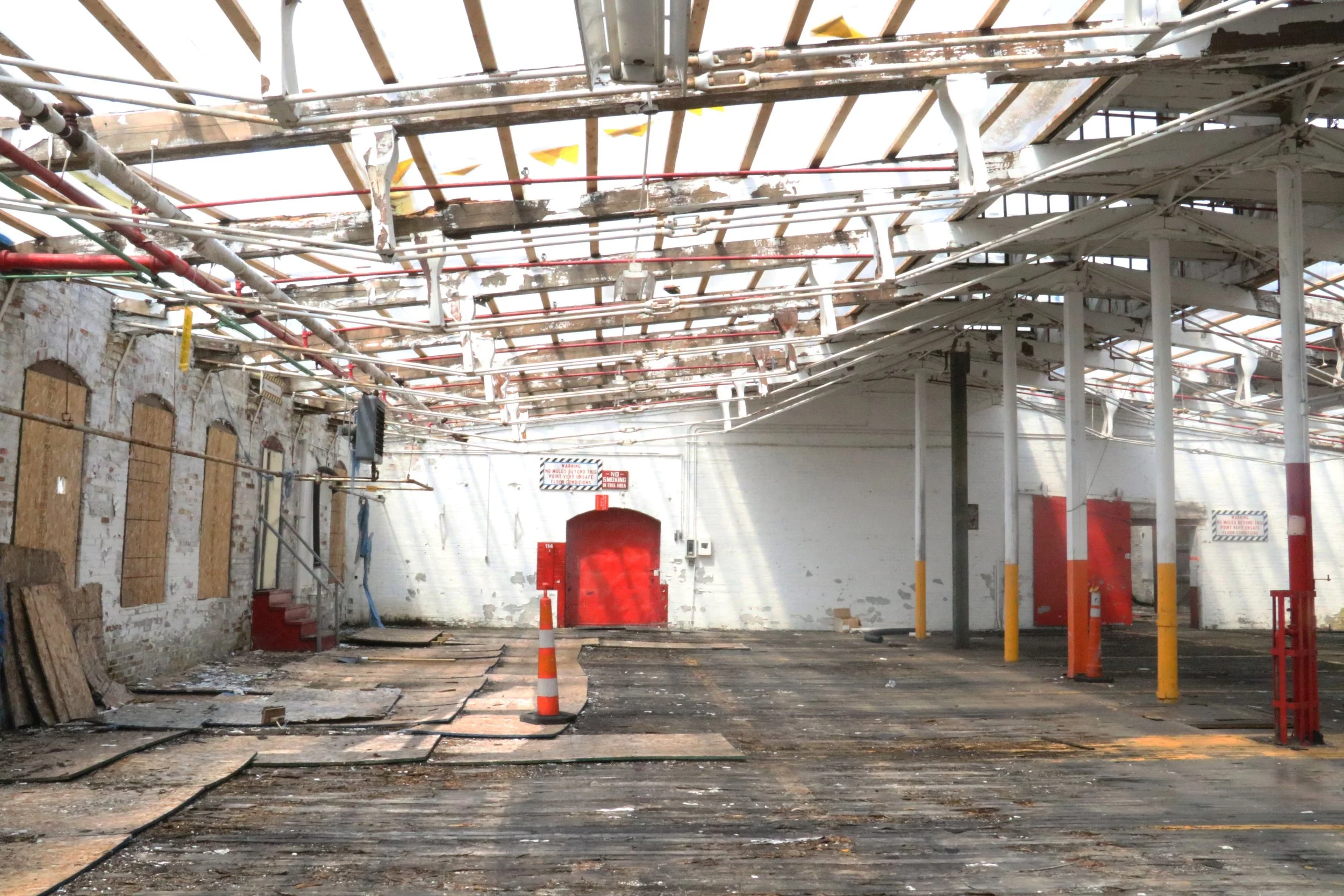
The Lee Paper Mill (The Mill) is one of the last standing authentic structures reflecting the legacy of the Kalamazoo Valley Paper Industry as the once leader of paper production in the world. The 1904 structure was unique in that it operated as a “rag mill,” converting cotton and textile remnants into fine paper. The solid masonry walls and heavy timber frame construction of the original mill, as well as the compartmentalization of interior spaces into separate “buildings” is iconic of slow-burning mill construction and a true example of form follows function. More than a place of production, The Mill was the pride of Vicksburg. Unfortunately, after subsequent ownership, it was shuttered in 2001. Recognizing the urgency, Paper City Development, LLC (PCD) was formed and purchased the property. In 2015, PCD selected HopkinsBurns Design Studio to lead a design team charged with not only saving The Mill from demolition, but also to help reestablish its role as a hub of innovation and production in SW Michigan, as well as the heart and pride of Vicksburg.
Working with PCD and the Vicksburg Historical Society, HopkinsBurns researched and evaluated the property for its historic significance, and nominated it to the National Register of Historic Places. The property was listed on the National Register in 2016.
HopkinsBurns and the design team worked with PCD to assess and analyze the existing conditions, understand the heritage to be respected, explore the opportunities for fulfilling the Owner’s vision and record the result in a Master Plan document. This living document is intended to guide multi-phase restoration and new construction, infrastructure upgrades, stewardship of the historic resource, and implementation of a high-quality experience for visitors.
In accordance with the Master Plan, HopkinsBurns has developed rehabilitation documents that have qualified the project for Historic Preservation Tax Credits, and led the tax credit application process. Selective demolition and stabilization efforts are now in process. When complete, the rehabilitated Mill will once again provide for both the local community and beyond; providing quality job opportunities, educational experiences and an entertainment venue enticing guests to return and be inspired each time.
