
lee PAPER MILL
Vicksburg, MI
Original Construction
1904
Completion Date
Ongoing
Size
420,000 sqft
National Register of Historic Places
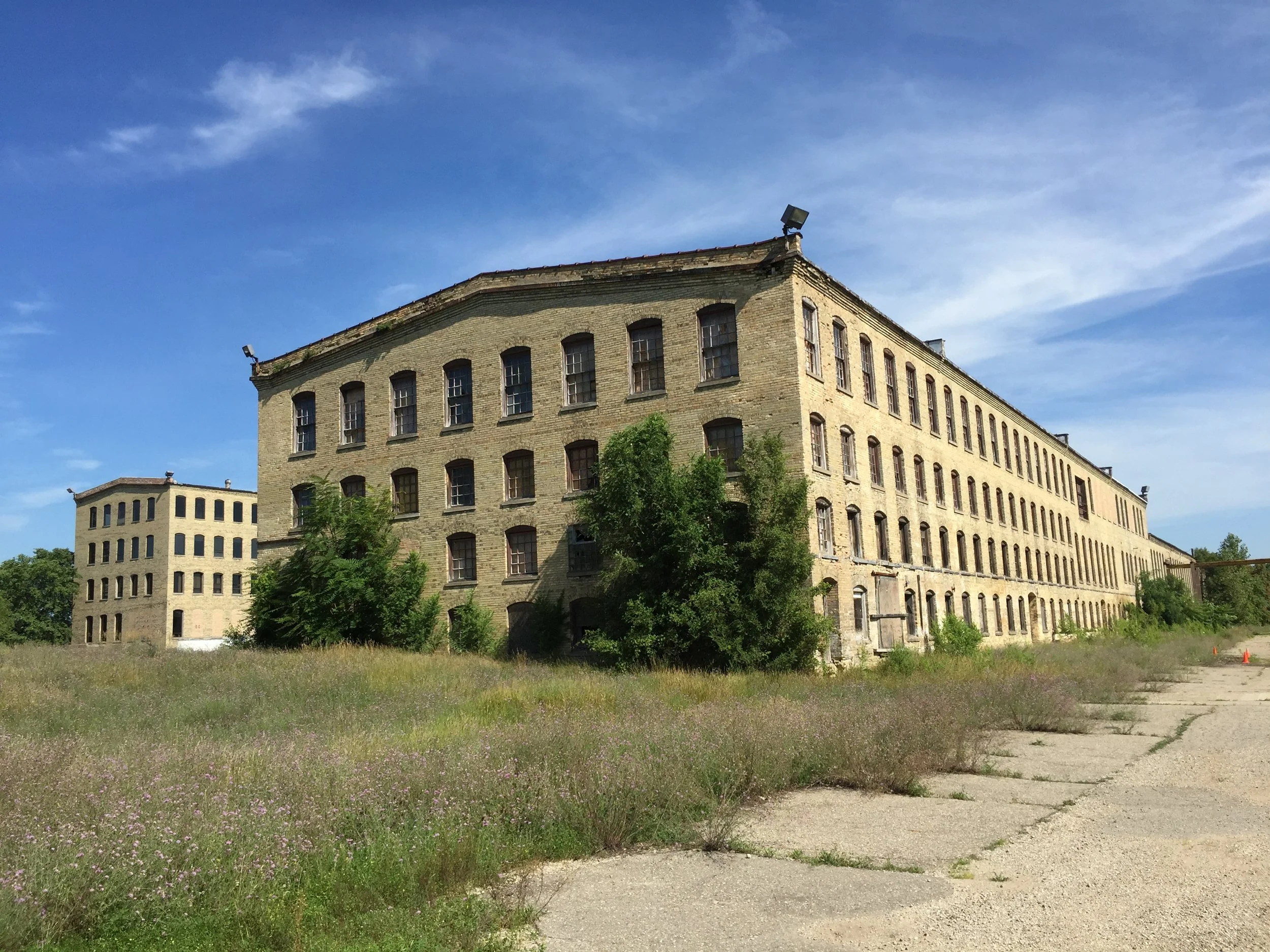
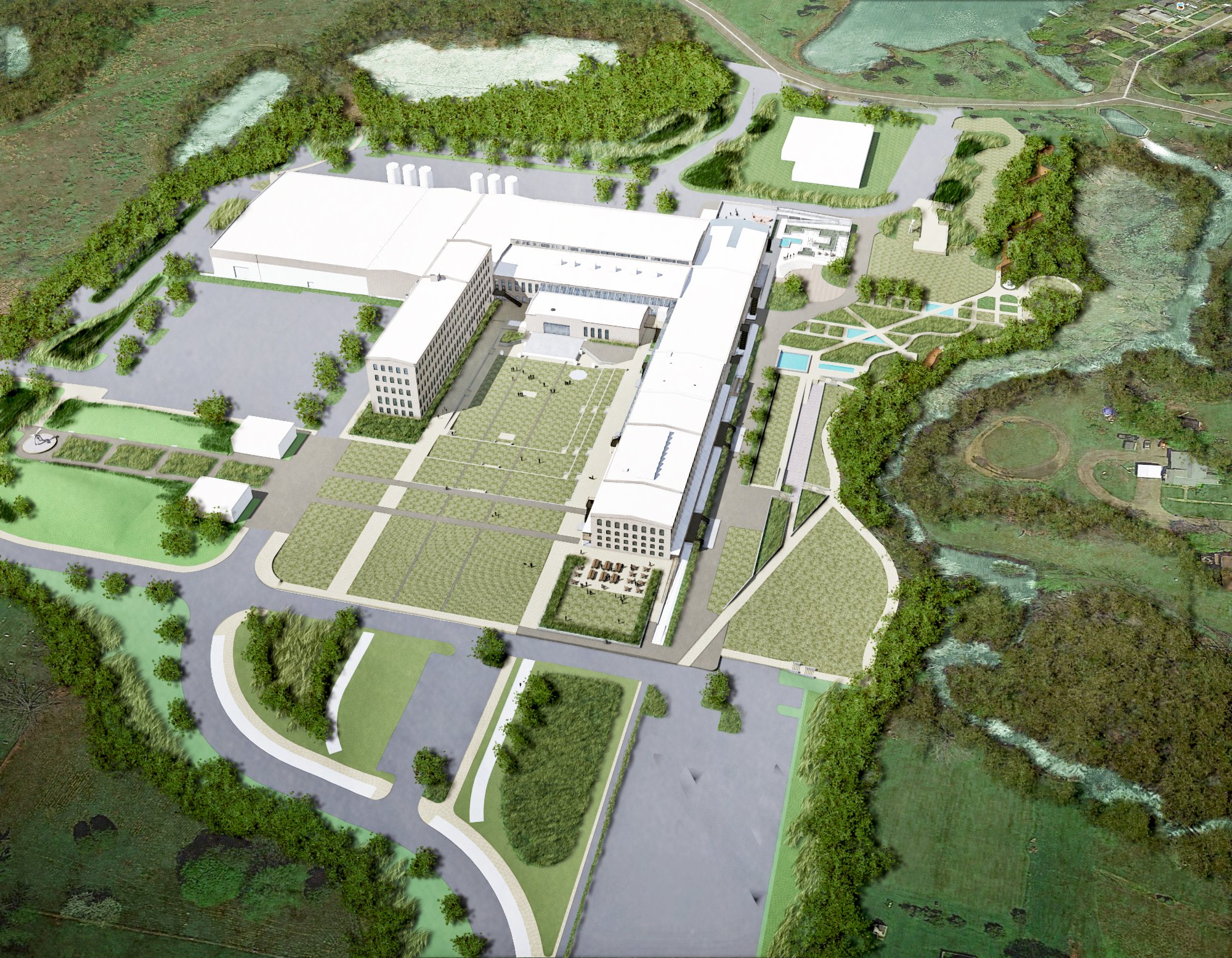
The Lee Paper Mill (The Mill) stands as one of the last authentic structures reflecting the Kalamazoo Valley Paper Industry’s history as a former world-leading paper producer. It operated uniquely as a "rag mill,” converting cotton and textile remnants into fine paper. Beyond its production role, The Mill served as the pride of Vicksburg until shifts in ownership led to its closure in 2001. Recognizing the need to save the historic site, Paper City Development, LLC (PCD) purchased the property to restore its role as a regional hub of innovation and production.
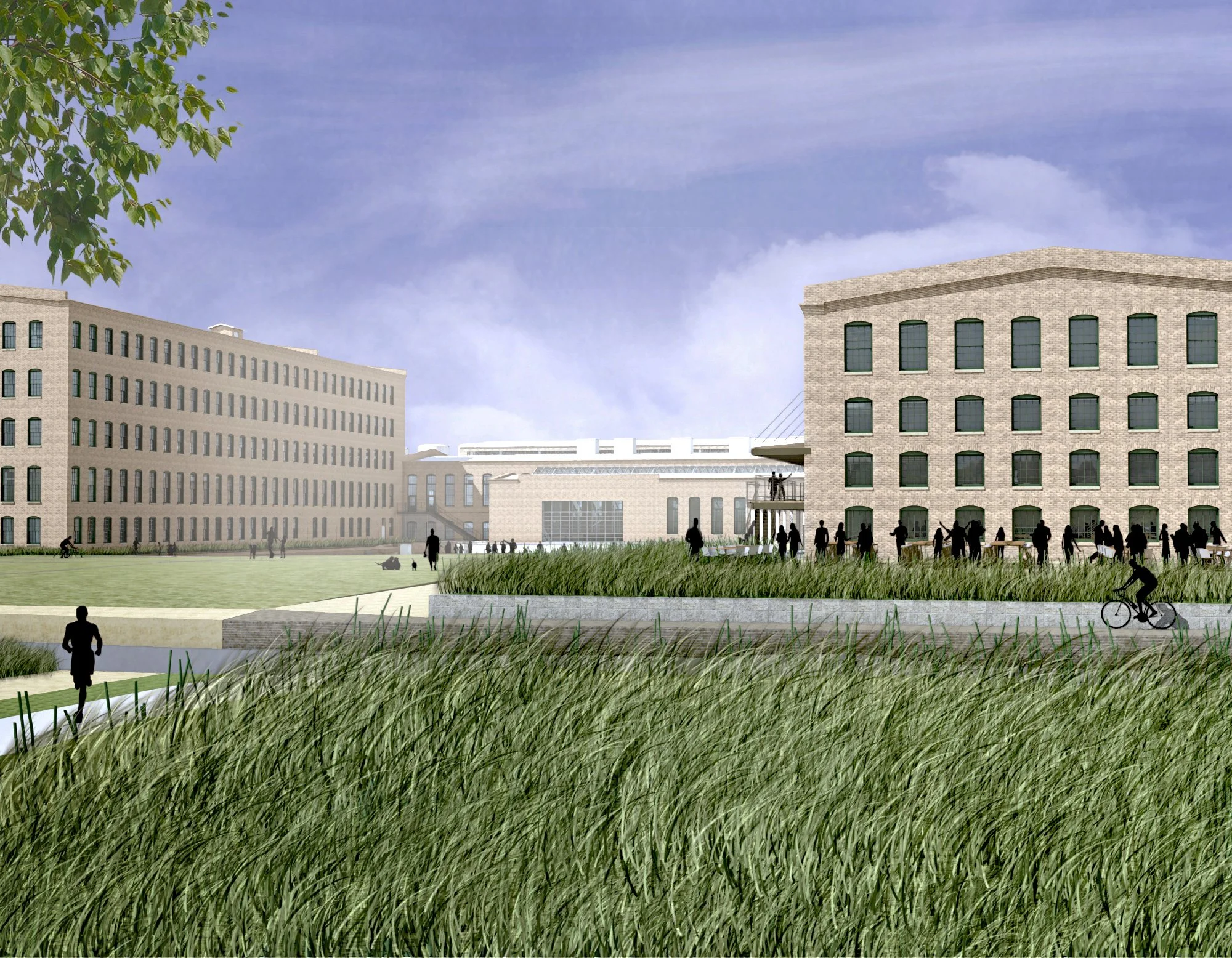
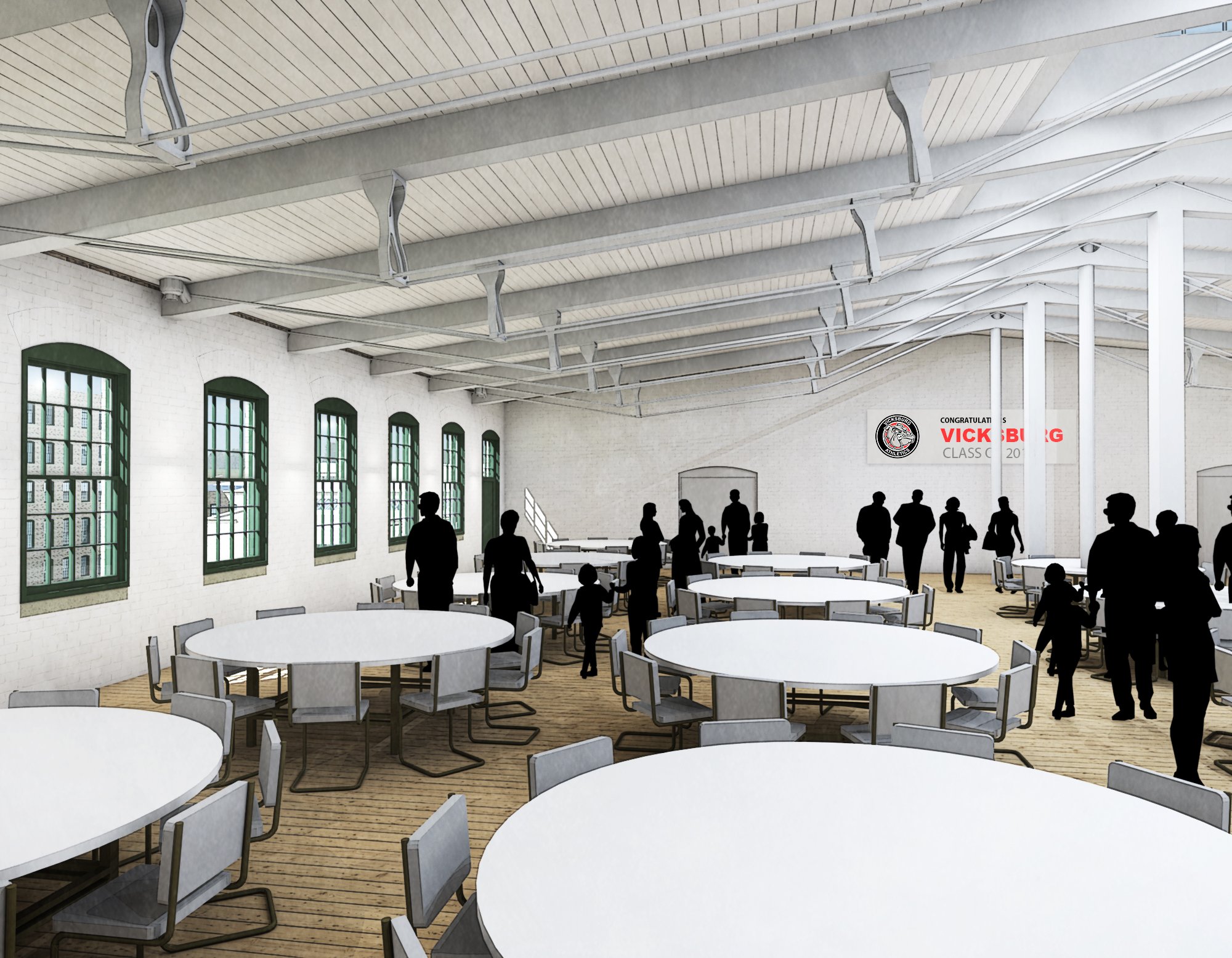
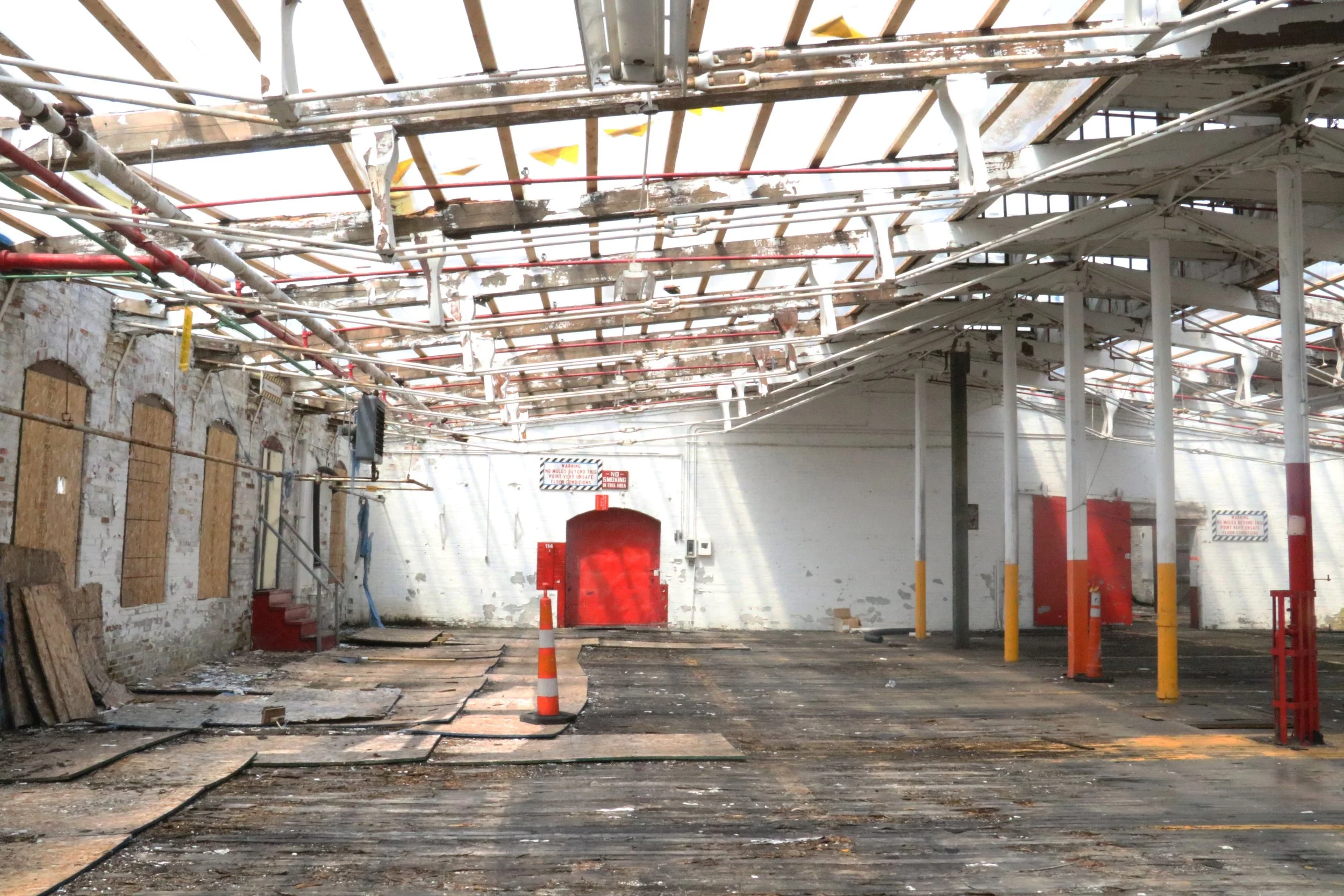
Paper City Development selected HopkinsBurns Design Studio in 2015 to lead the effort to save the property from demolition. Partnering with PCD and the Vicksburg Historical Society, HopkinsBurns evaluated the property's significance and secured its listing on the National Register of Historic Places in 2016. The firm assessed existing conditions and authored a comprehensive Master Plan to guide multi-phase restoration, new construction, infrastructure upgrades, and the overall visitor experience. Additionally, HopkinsBurns created rehabilitation documents that qualified the project for Historic Preservation Tax Credits and led the application process. The firm guided the project through selective demolition and stabilization toward its ultimate transformation into a venue for employment, education, and entertainment.