
michigan theater
Ann arbor, MI
Original Construction
1928
Completion Date
2001
Construction Cost
$5,000,000
Awards
Special Award of Merit Ann Arbor Historic District Commission
National Register Listed
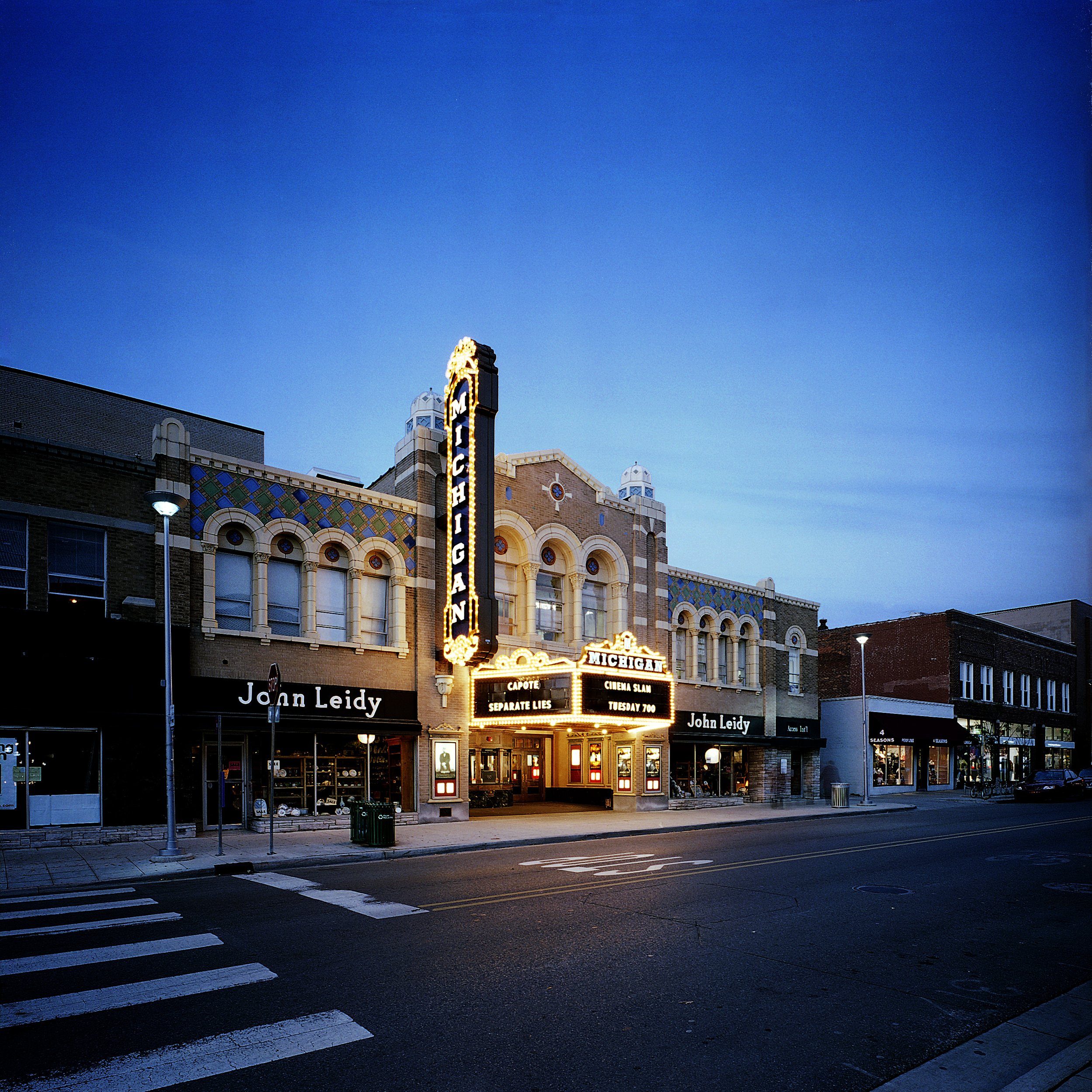
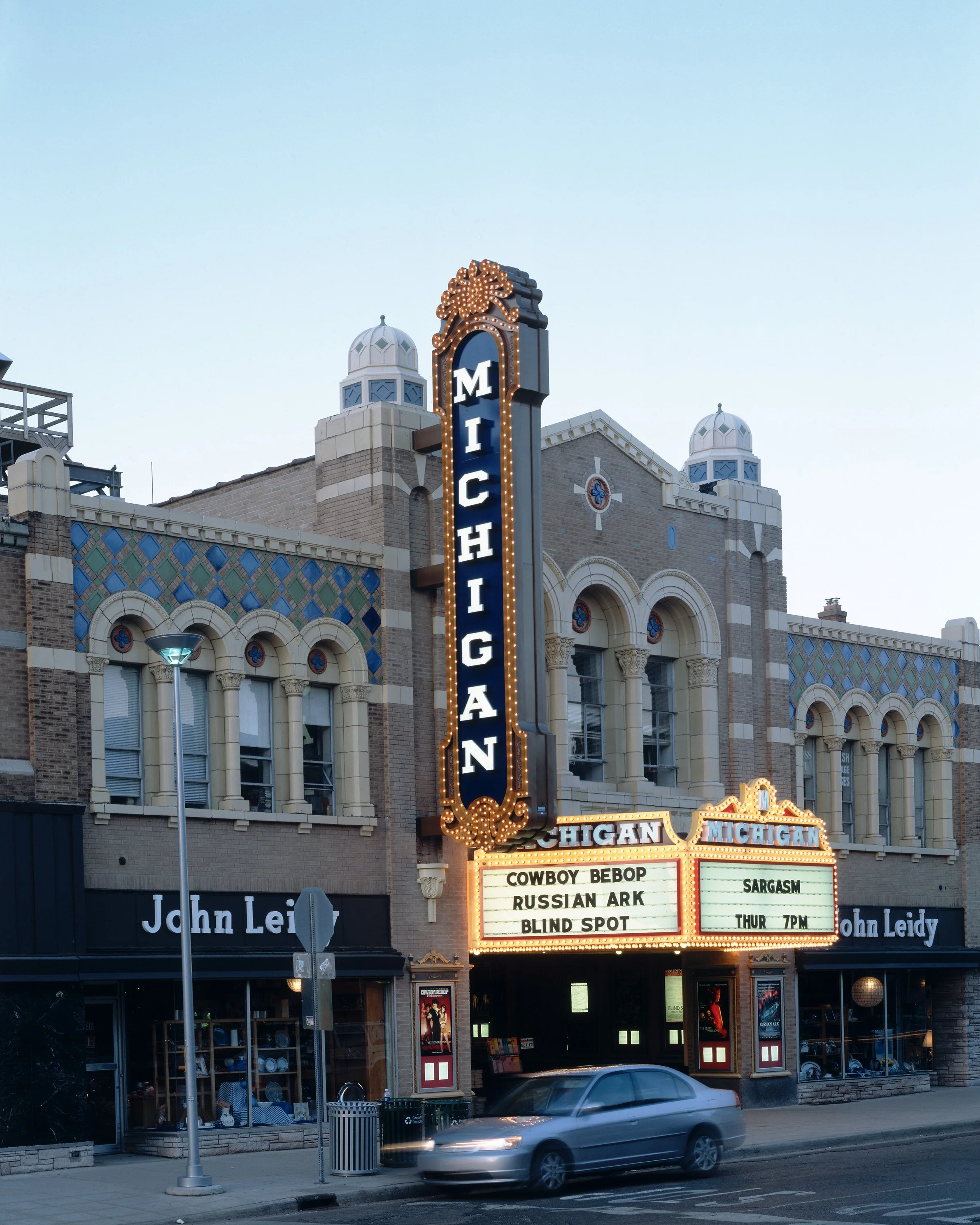
The Michigan Theater is a substantive and representative example of Cinema Style American Architecture. It was designed in the Romanesque style, renovated and “modernized” in 1956, and received extensive mechanical, electrical, and physical improvements under a significant restoration 30 years later.
In 1982, Preservation Urban Design, Inc. (PUDI) prepared the Master Plan for restoration that examined the existing conditions of the building and established priorities with a cost estimate for implementation. Eugene C. Hopkins, FAIA, previously at PUDI and now a principal at Hopkins Burns, was responsible for the implementation of Phase I, focusing primarily on improving the life-safety characteristics of the building.
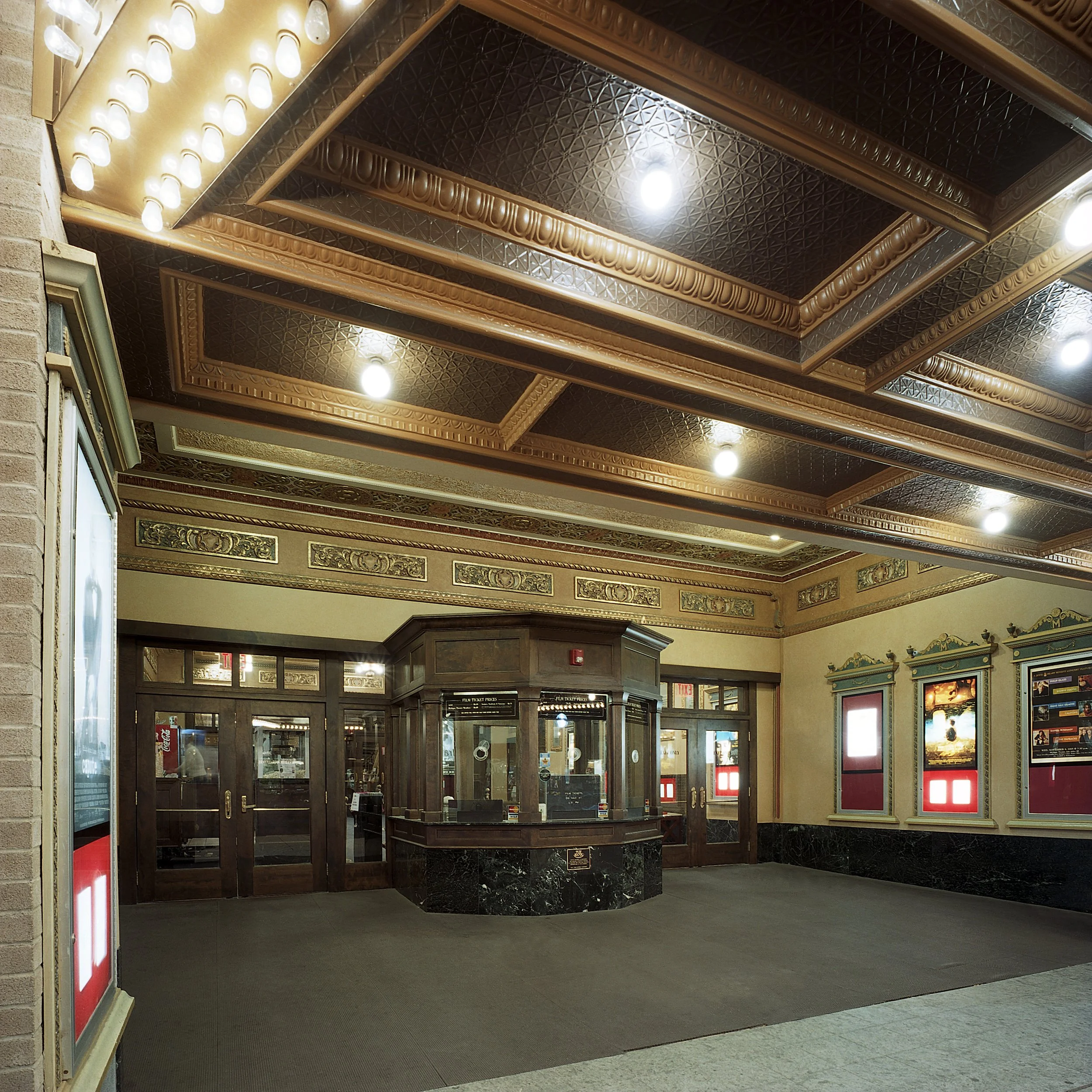
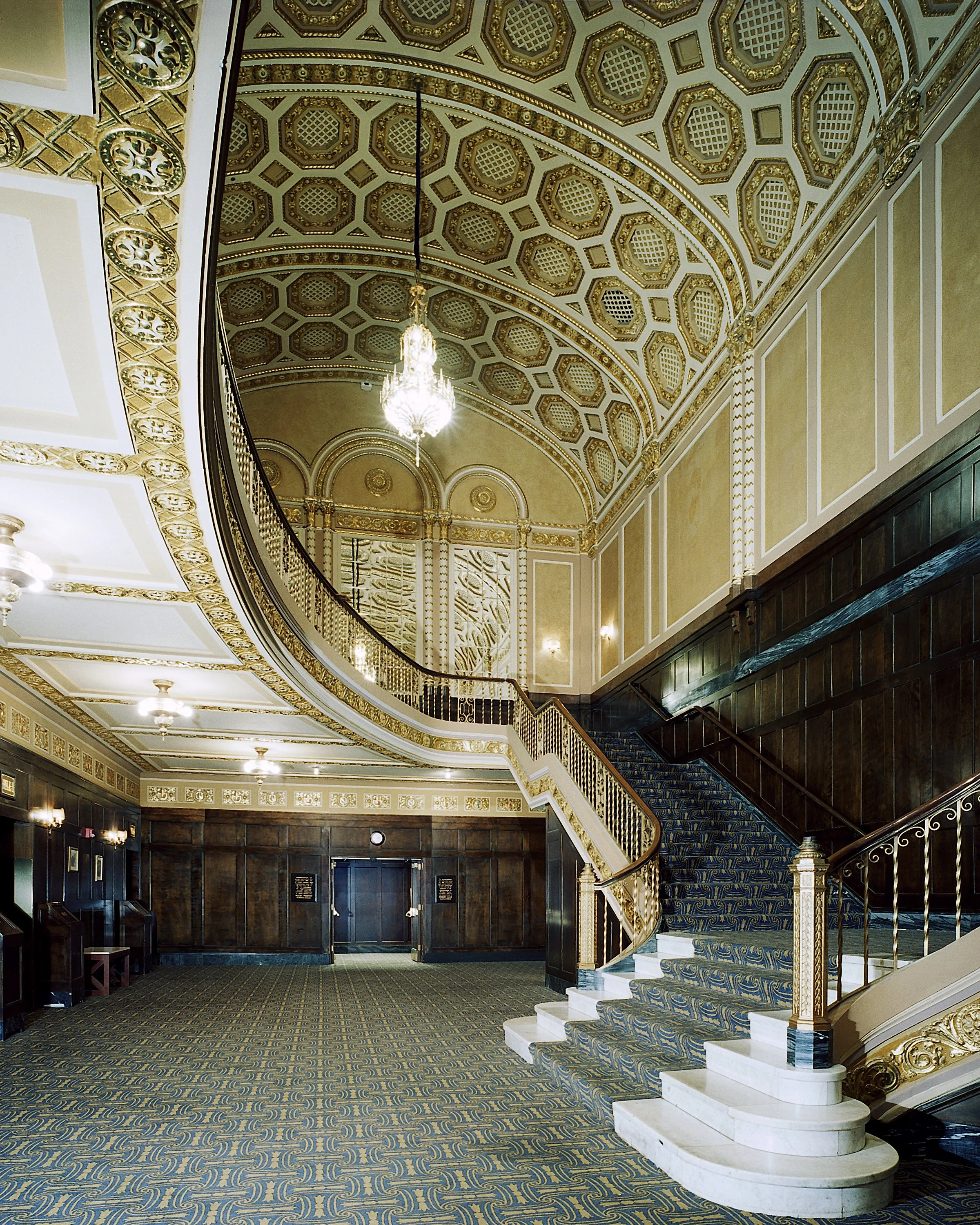
In 1997, the HopkinsBurns Team, as Architects Four, began working with the Michigan Theater Foundation to review and finalize plans for completing the theater’s restoration and expansion. The first phase of work included an addition to provide rest room facilities for the entire complex, as well as a new 200-seat environmental theater located to the north of the existing lobby. The second phase of work involved the restoration of the historic 1700-seat auditorium balcony and the exterior lobby, including their plaster ornamentation, decorative paint and ticket booths, and the exterior terra-cotta facade, involving the repair of its marquee, signage, and the terra-cotta itself.