
Henry ford
dearborn, mi
Original Construction
1929
Completion Date
1994
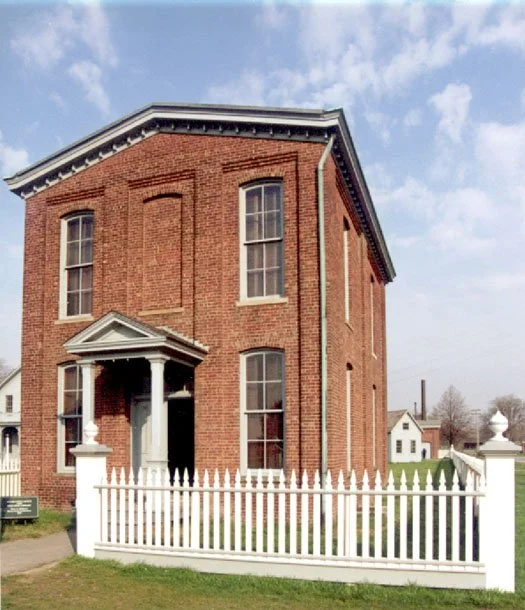
Established by Henry Ford in 1929, The Henry Ford Museum and Greenfield Village was envisioned as a collection preserving the objects, technologies, and stories that shaped American life and industry. The open-air village brings together historic buildings and exhibits that interpret the nation's cultural, technological, and industrial heritage. Since 1987, Architects Four, the parent company of HopkinsBurns, and its predecessor, SmithGroup, have contributed to the preservation, adaptive reuse, and modernization of several village structures and exhibits. These projects have balanced the need to maintain historic authenticity with the integration of contemporary building systems and visitor amenities, ensuring the continued educational use of this nationally significant cultural destination.
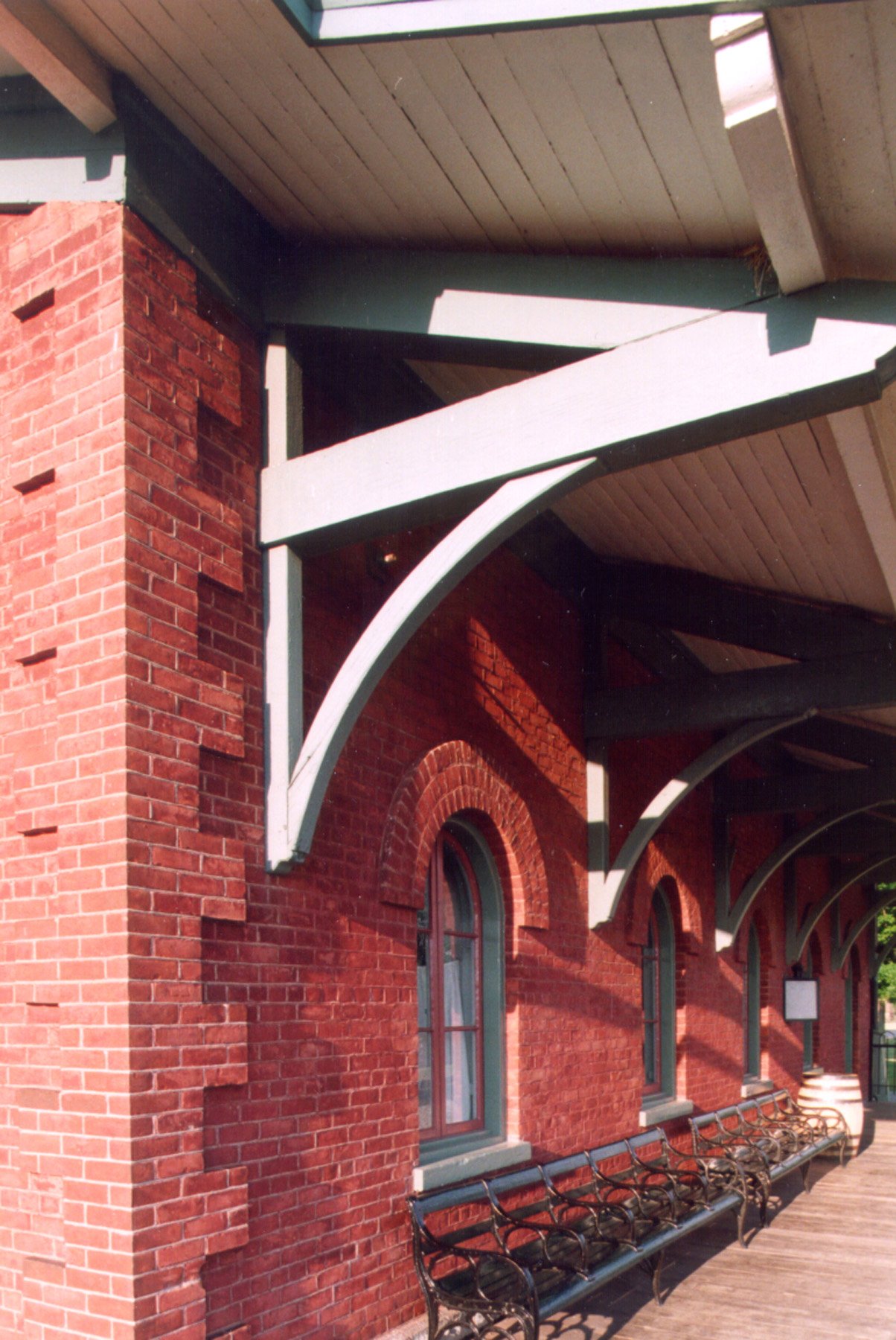
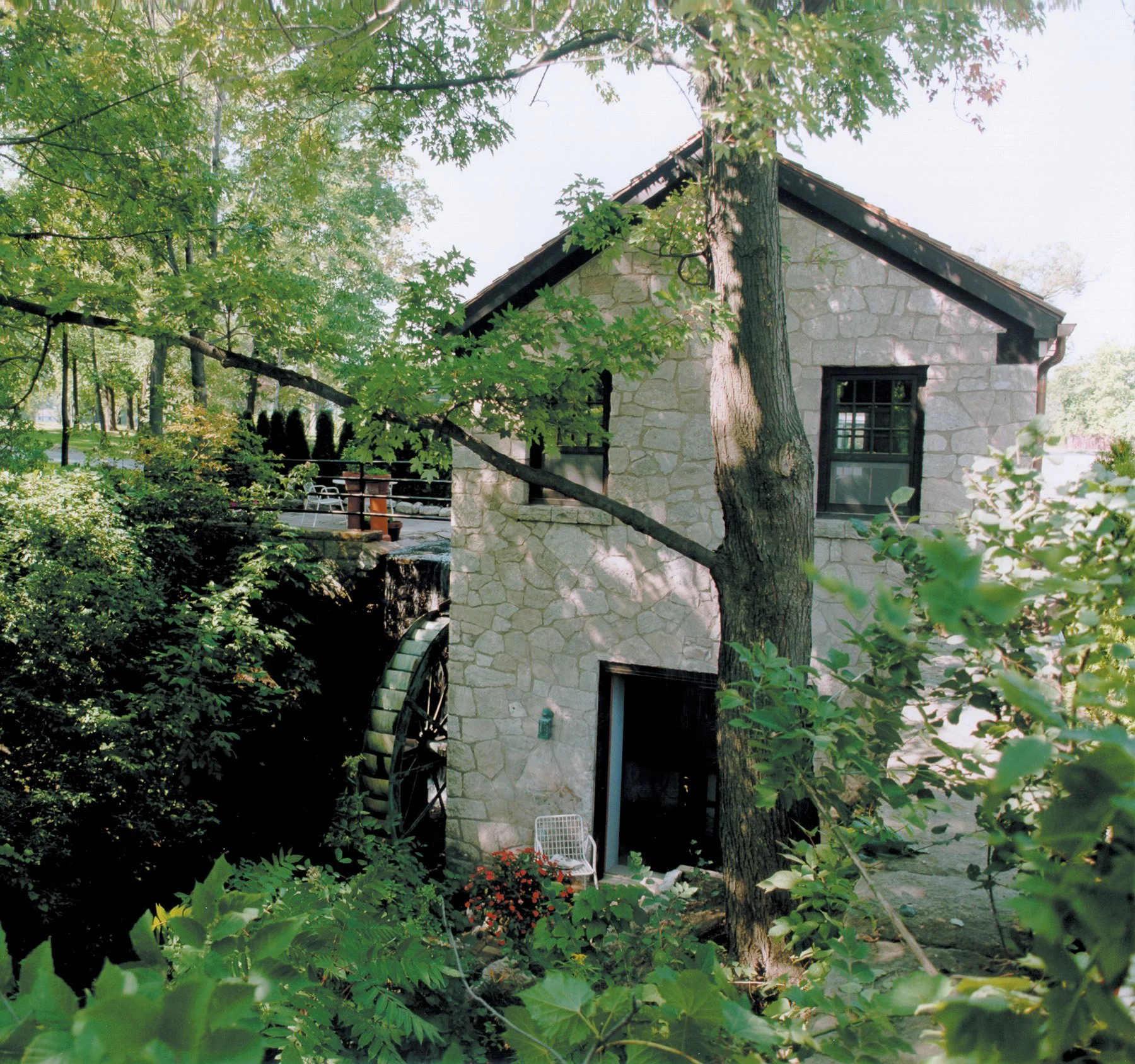
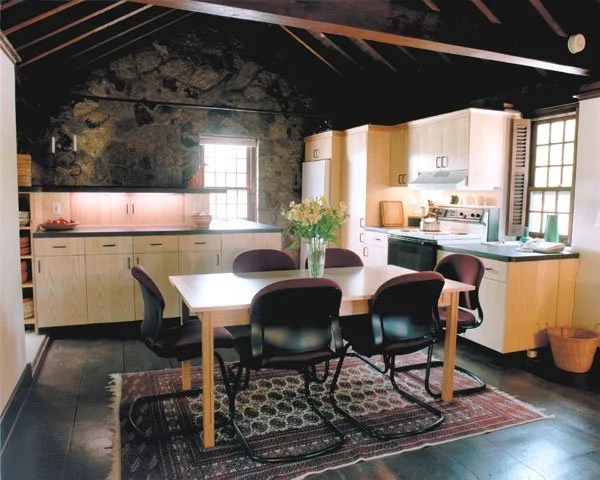
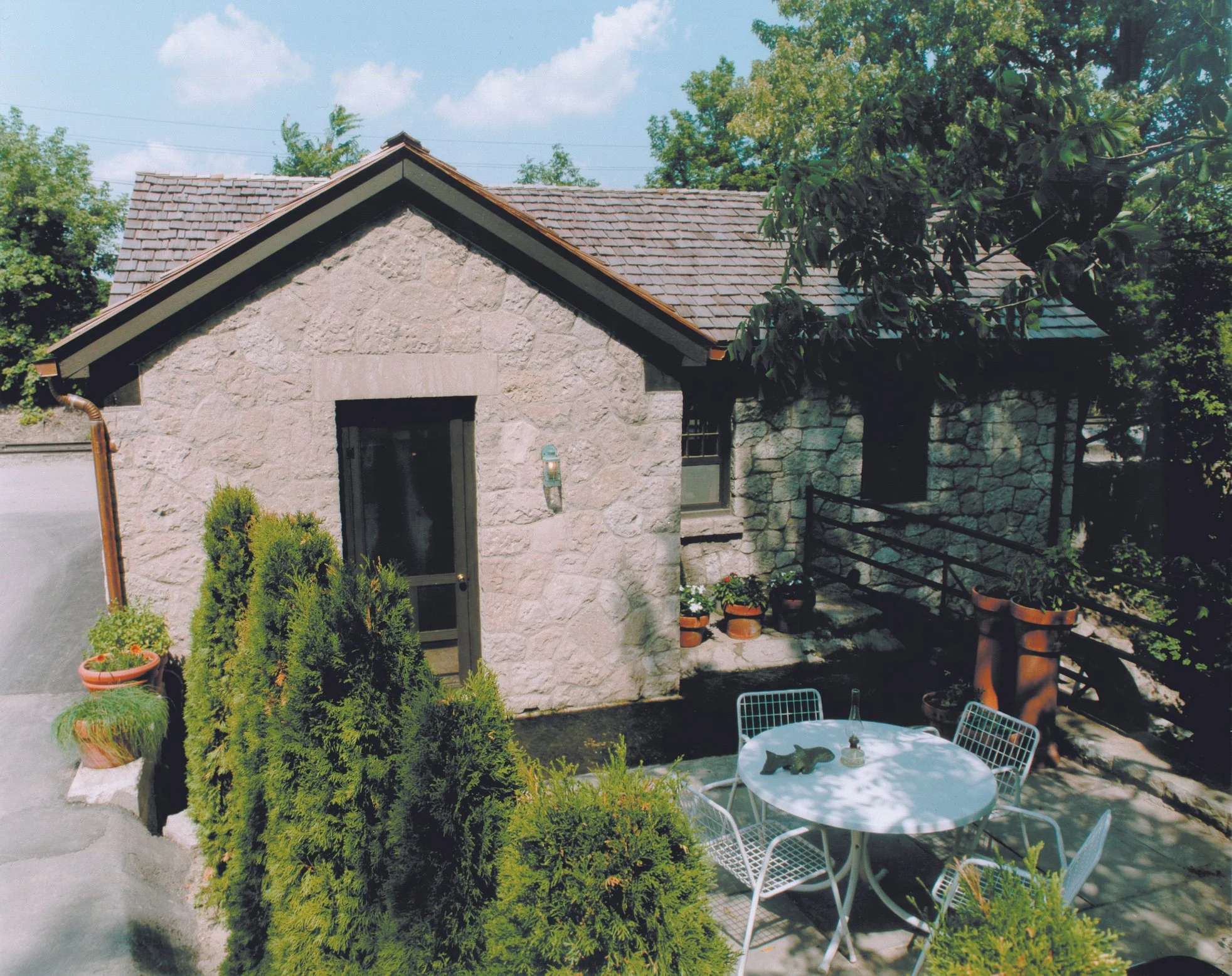
The firm’s work has encompassed master planning, historic restoration, adaptive reuse, exhibit infrastructure, and renovation planning across multiple village properties. For Ford Stories, the team developed a master plan for the adaptive reuse of six existing structures to interpret Henry Ford’s childhood, career, and development of the Model T. At Smiths Creek Depot, the firm undertook restoration of the historic train depot relocated to the village. The Stone Mill renovation transformed a compact, two-story stone building into a residence for the Village’s president while preserving its original stonework, timber framing, and wood floors and incorporating modern mechanical and electrical systems alongside space-saving built-ins and concealed service areas. For the Menlo Park Exhibit, the firm integrated contemporary mechanical, electrical, fire protection, and security systems across five buildings interpreting Thomas Edison’s life and work. The team also completed a feasibility study, schematic design, contract documents, and consulting services for the Exhibit Hall in preparation for renovations associated with Michigan’s sesquicentennial.