
michigan state university, chittenden hall
East Lansing, MI
Original Construction
1901
Completion Date
2014
Size
13,000 sqft
Construction Cost
$6,600,000
Awards
2015 Michigan Historic Preservation Network Building Award
State Register of Historic Places
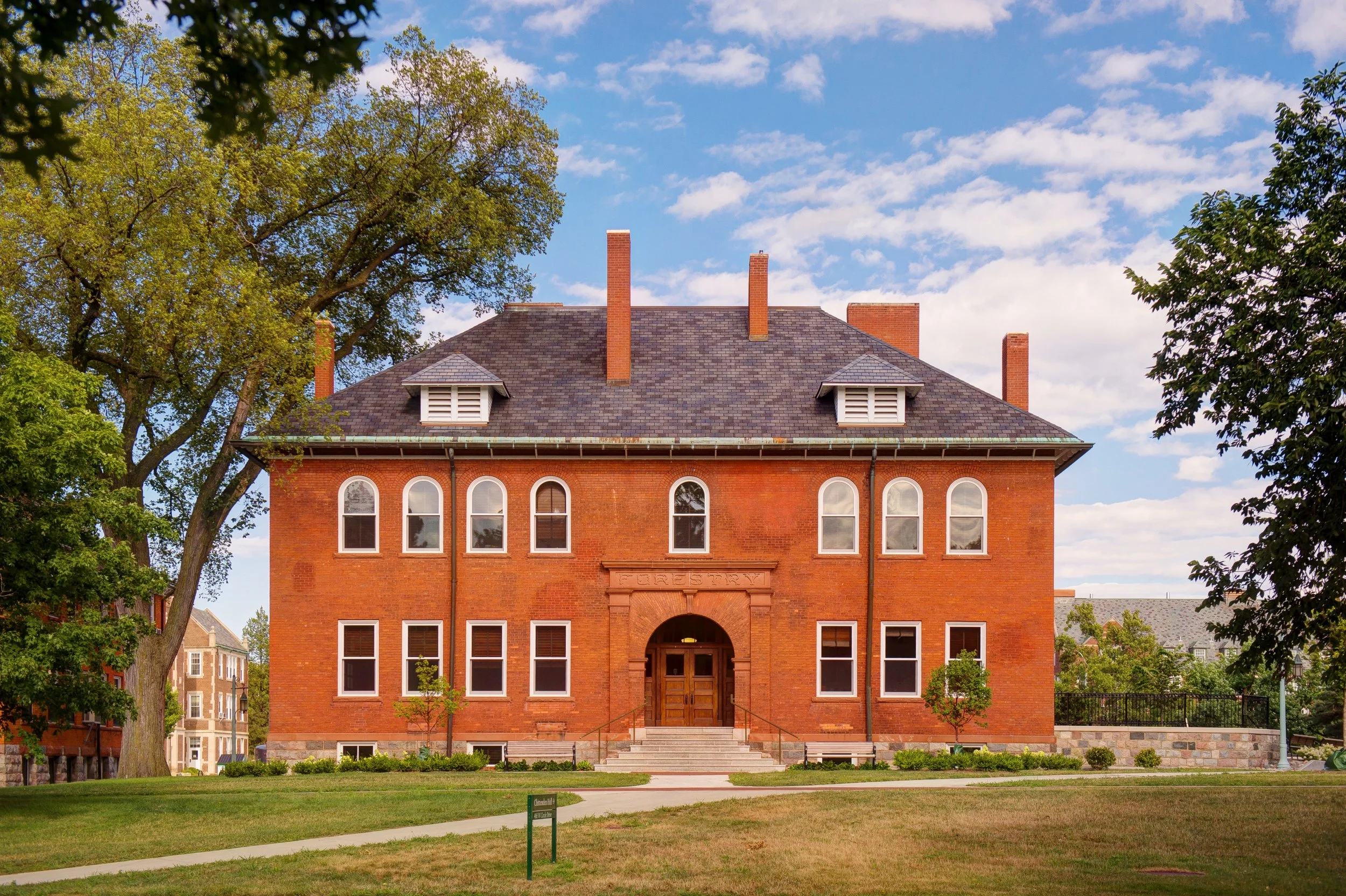
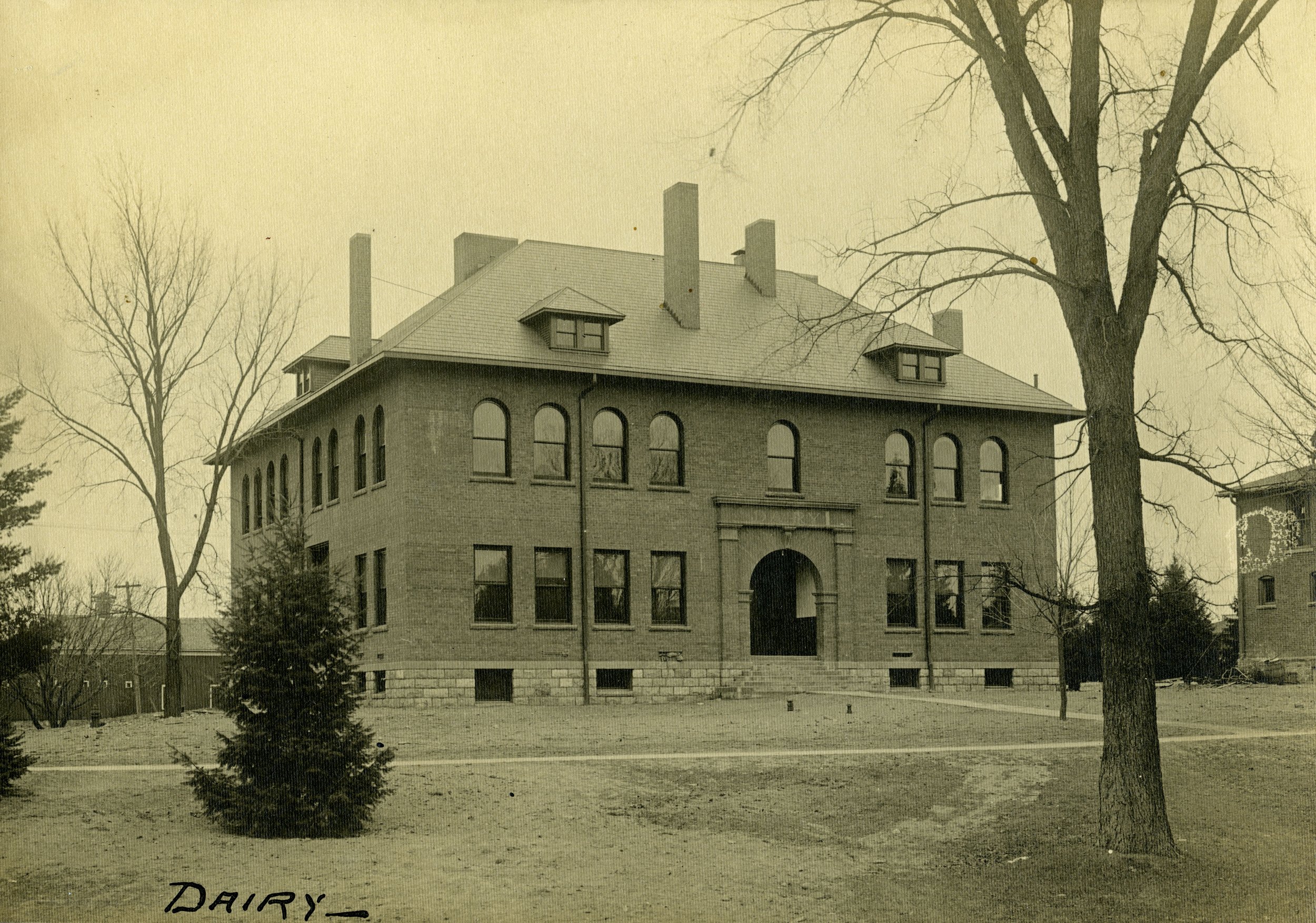
Chittenden Hall, Michigan State University’s first dairy building, was built in 1901 for the university’s dairy program and housed the department’s commercial dairy operation while providing academic and laboratory spaces. It is one of the oldest buildings on campus and was dedicated as a part of the Michigan Agricultural College campus. The building now remains as an integral part of what has become the core of Michigan State University; it is one of a selection of early buildings that constitute the school’s original “laboratory row.”
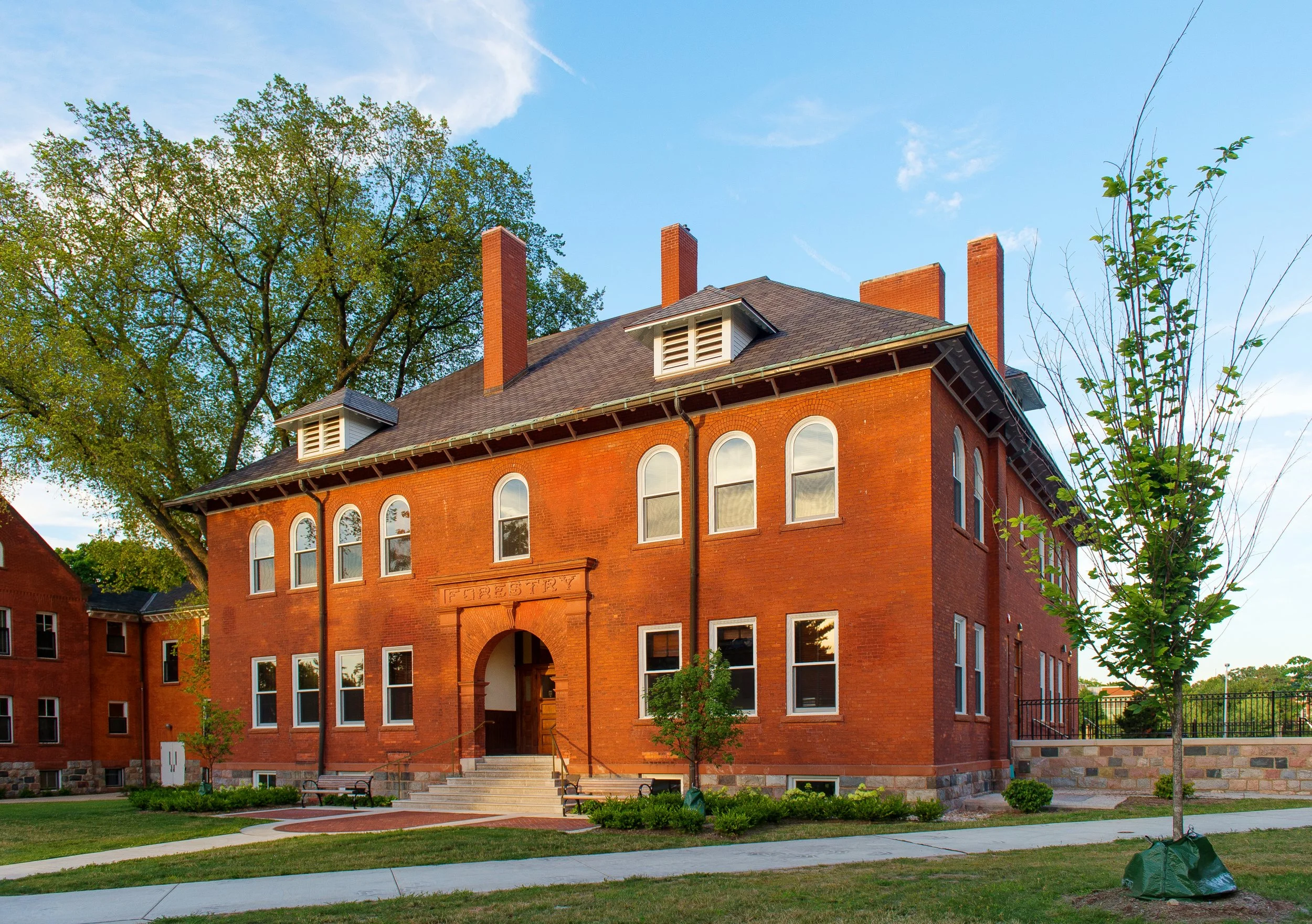
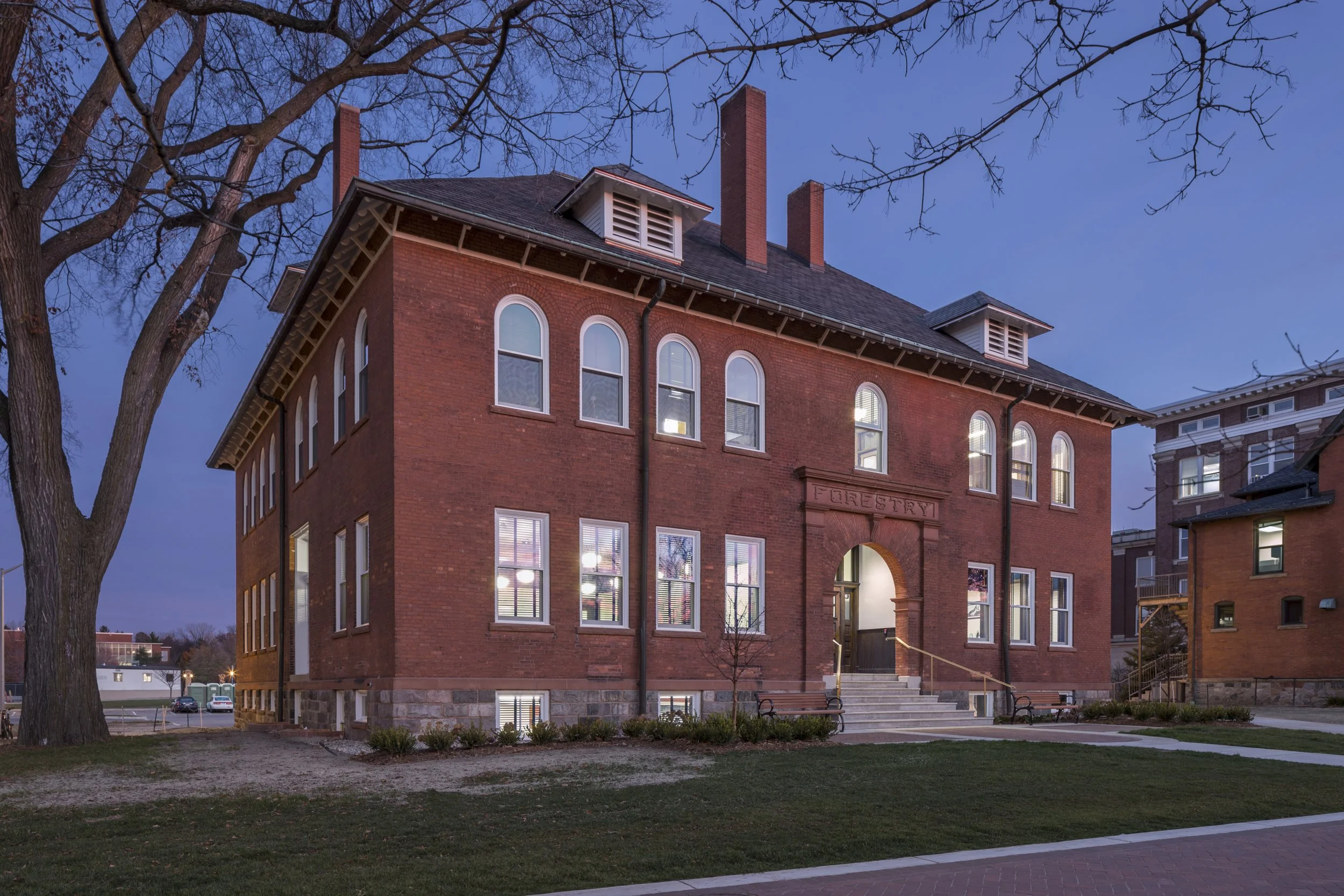
The two-story masonry building with a full, 13,000 square foot basement is a fine example of a simple in form-and-detail, utilitarian, turn-of-the-century academic building. In 1913 the dairy operations were relocated and the Department of Forestry moved in, installing an entry frieze which spelled the word “Forestry” in letters carved to look like branches. After sitting vacant for 14 years, in 2013 the decision was made to rehabilitate the 15,000 square foot building as headquarters for the University’s graduate school.
Bringing Chittenden Hall back to life after years of vacancy was a daunting task, as the structure was in great disrepair with decrepit building systems and serious Life Safety and Accessibility issues. HopkinsBurns Design Studio led the design effort and determined the appropriate preservation treatments for the extensive restoration, which included the cut granite stone foundation that was repaired with original red beaded (vine) joint profiles to epoxy consolidation of original deteriorated bead board exterior soffit boards. Exterior restoration included reconstruction of original dormers and window replacement. Historic photos aided accurate reconstruction of the front steps and dormers, which were then utilized as air intakes for the new mechanical system. All work was performed to comply with the Secretary of the Interior’s Standards.
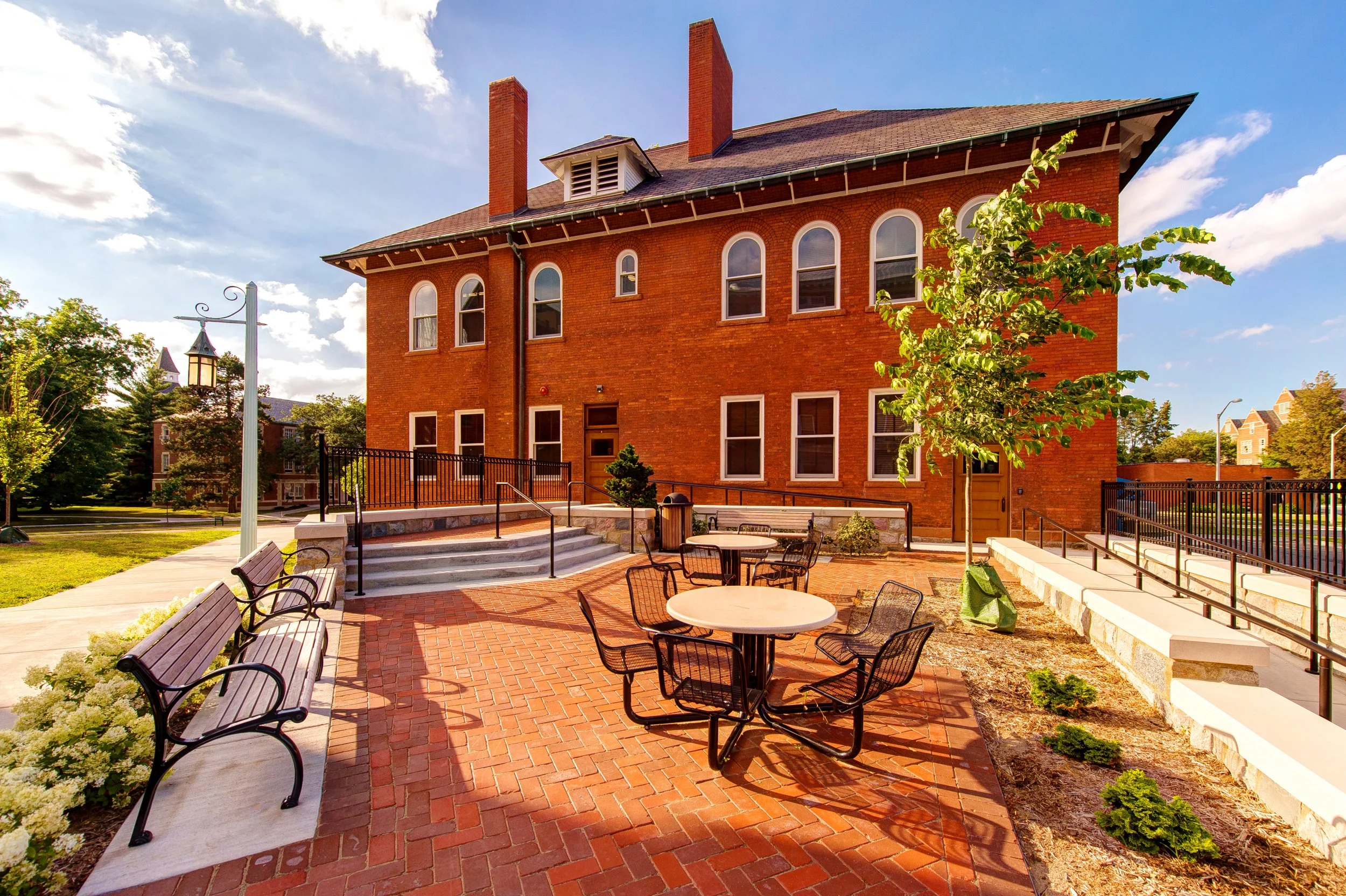
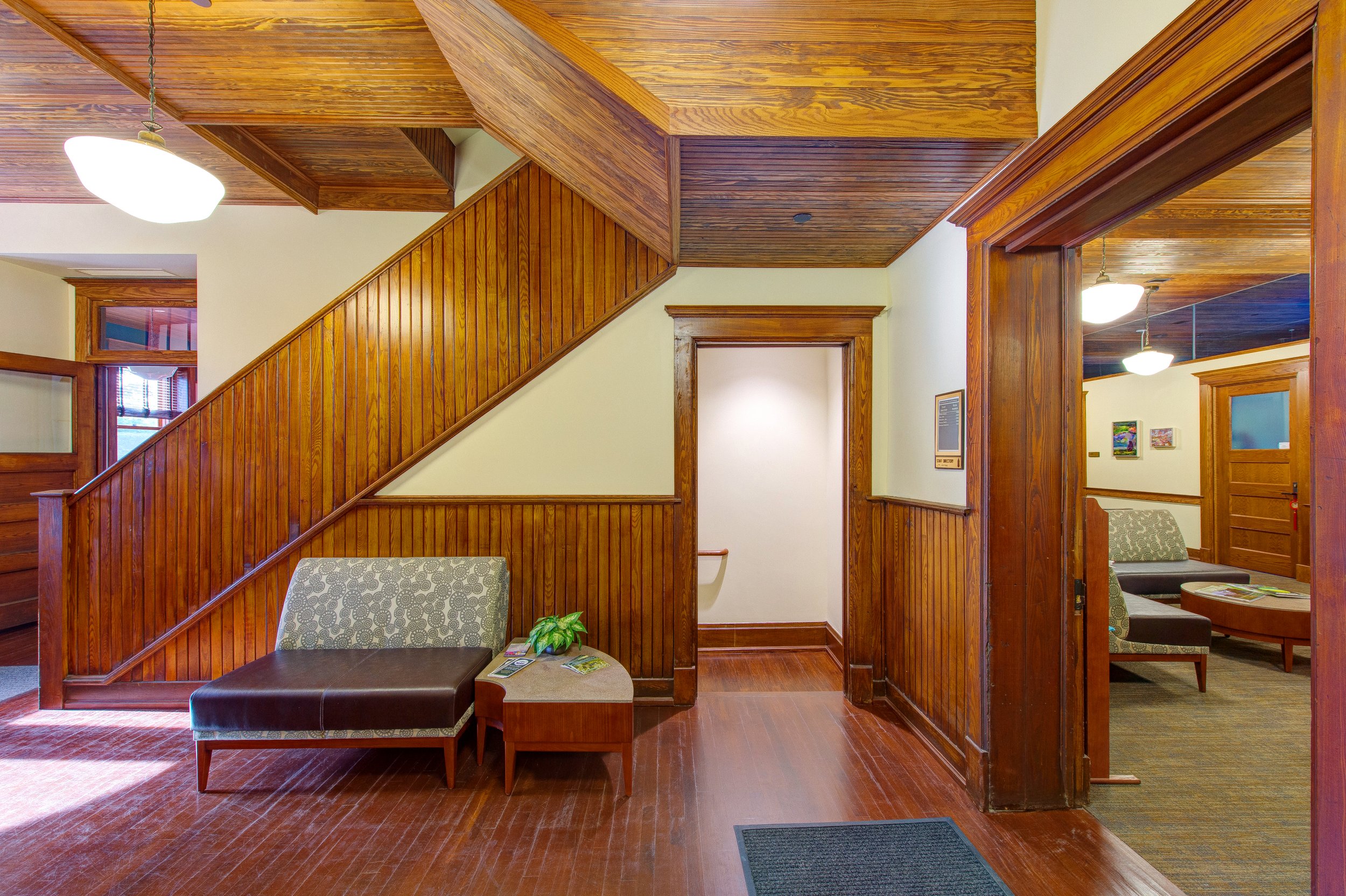
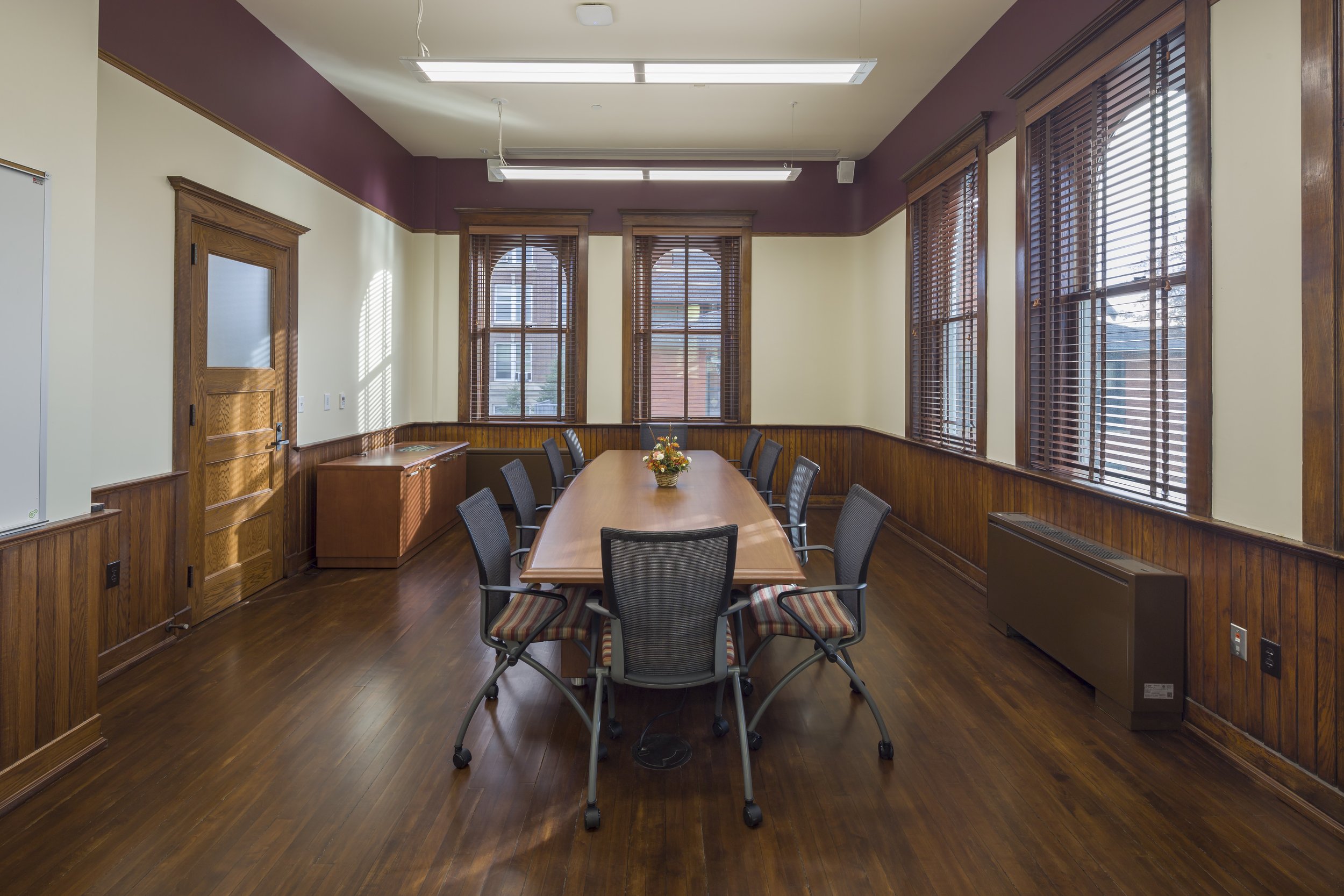
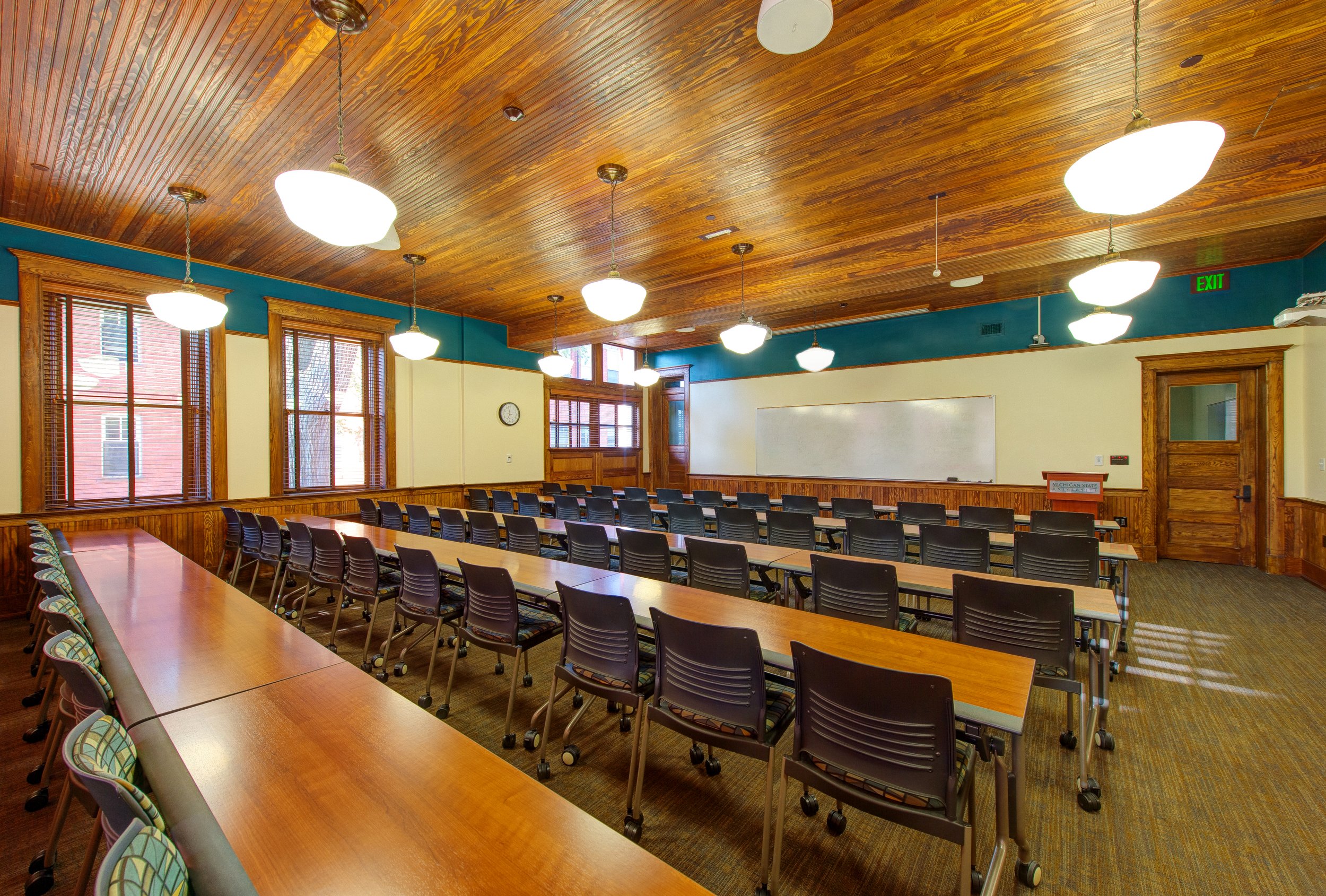
On the interior, the project involved restoring, replacing, and repairing surface treatments. The historic natural wood finishes, including fir wainscots and chair rails, bead board ceilings, window trim, solid oak doors, stairs, and floors were extensively restored. In addition, the HopkinsBurns team brought Chittenden Hall up to modern standards by upgrading mechanical and electrical systems and carefully integrating all new building systems without resorting to dropped ceilings or soffits. To provide seamless barrier-free entry and make modifications for accessibility, HopkinsBurns designed a terrace and a new handicapped accessible plaza on the South side of the building to allow students to gather. This integrated a newly accessible entrance into an inviting outdoor study area that connected to a new elevator sensitively woven into the interior historic fabric.
Beyond providing a home for the graduate school under one roof for the first time, the rehabilitation of Chittenden Hall exemplifies creative integration of modern technology with restoration of a historic structure, proving that the historic building and materials and features can be symbiotic with modern needs. It will serve as a model for MSU’s Heritage Initiative which works to restore architectural treasures to modern relevance.